


Guyana is one of the strongest U.S. partners in the Caribbean. It is a member of the “America’s Shield” initiative and has an economy whose transformational growth is closely tied to an Exxon-Mobil-led consortium of petroleum companies. At the same time, its relationship with the People’s Republic of China (PRC) is among the longest and deepest in the region.
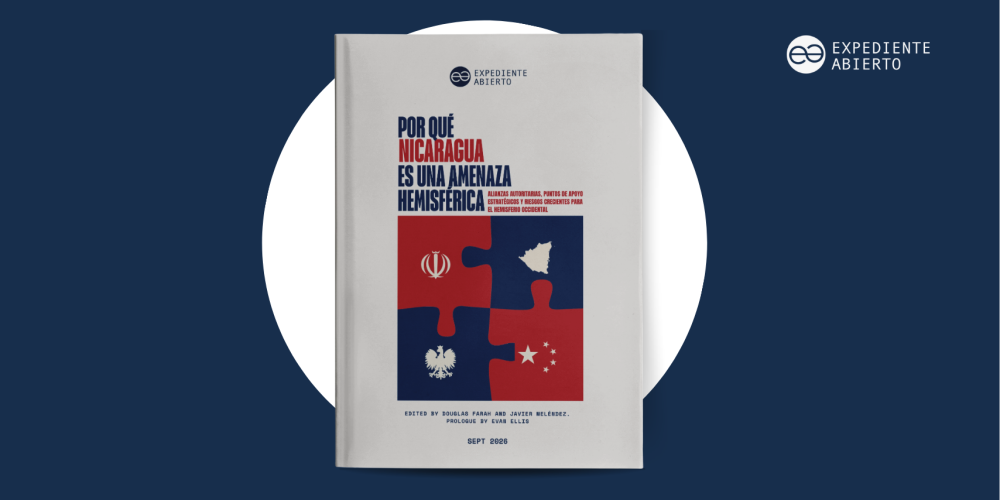
Desde el restablecimiento de relaciones diplomáticas en 2021, los vínculos entre Nicaragua y China trascienden el comercio. La evidencia muestra la consolidación de un patronazgo estratégico mediante recursos económicos, tecnológicos, institucionales e ideacionales, con los que Beijing amplía su influencia y fortalece la resiliencia del régimen de Ortega-Murillo.
Guyana is one of the strongest U.S. partners in the Caribbean. It is a member of the “America’s Shield” initiative and has an economy whose transformational growth is closely tied to an Exxon-Mobil-led consortium of petroleum companies. At the same time, its relationship with the People’s Republic of China (PRC) is among the longest and deepest in the region.
Desde el restablecimiento de relaciones diplomáticas en 2021, los vínculos entre Nicaragua y China trascienden el comercio. La evidencia muestra la consolidación de un patronazgo estratégico mediante recursos económicos, tecnológicos, institucionales e ideacionales, con los que Beijing amplía su influencia y fortalece la resiliencia del régimen de Ortega-Murillo.
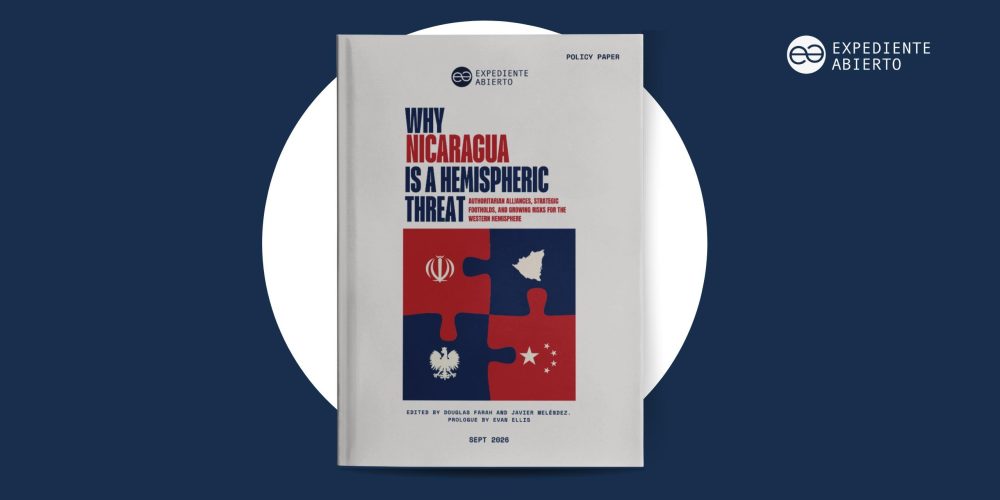
Since diplomatic relations resumed in 2021, Nicaragua-China ties have extended well beyond trade and investment. The evidence indicates a strategic patronage relationship in which Beijing deploys economic, technological, institutional, and ideational resources to expand its influence while strengthening the resilience of the Ortega-Murillo regime in Nicaragua.
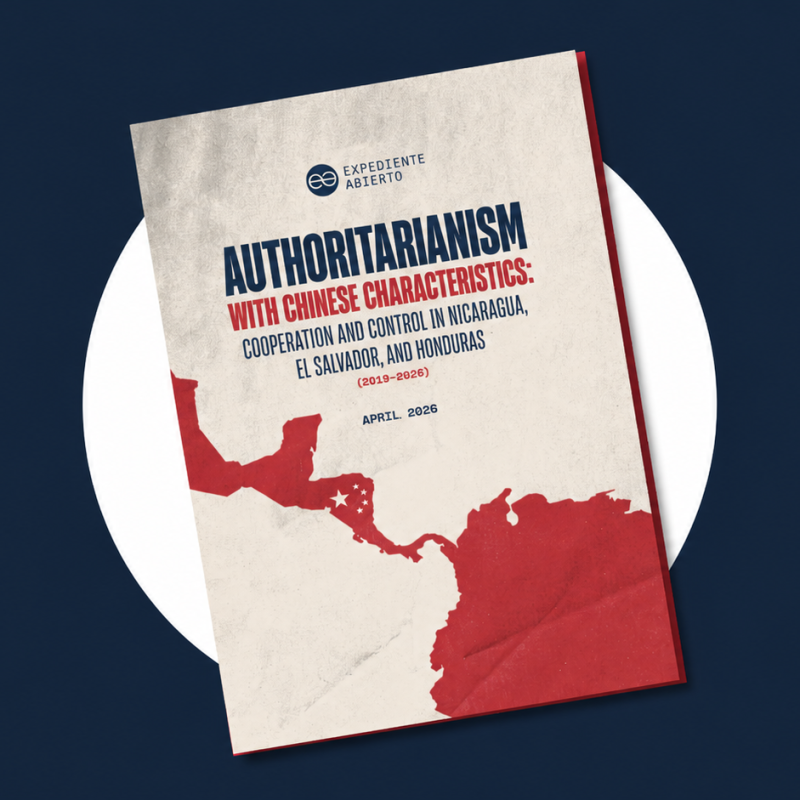
This report examines the nature and implications of cooperation between the People’s Republic of China (PRC) and three Central American countries—Nicaragua, El Salvador, and Honduras—through the analytical framework of the “arenas of authoritarian cooperation”